The school calendar is built around community. Athletic championships, spring performances, graduation ceremonies, and open houses. These are the events families look forward to all year, and for good reason. They represent some of the most meaningful moments in a school year.
They also come with a distinct set of operational considerations. A typical school day operates within a known structure: students arrive, attend class, and leave through predictable routines. A Friday night varsity game or a Saturday graduation ceremony looks entirely different. Hundreds of guests arrive from outside the school community, staff are spread across multiple areas of campus, and the boundaries between secured and public-facing spaces shift considerably. The planning behind a high-traffic event needs to reflect that reality.
School leaders are well aware of this. The question most are working through isn't whether events require safety planning; it's how to build a framework that's practical, repeatable, and connected to the systems already in place.
The Operational Reality of a High-Traffic Event
High-traffic events introduce a campus population that looks nothing like a regular school day. Open houses bring prospective families. Graduation ceremonies bring extended family members, many of whom have never been to the school before. Athletic events draw visiting teams, coaches, and opposing school communities. The campus is busier, the entrances are less contained, and the staff coverage is thinner relative to the number of people present.
Schools navigating this well tend to approach events with the same deliberate planning they bring to drills and emergency protocols. That means thinking through visitor flow, communication among staff, and how existing safety tools extend to an evening or weekend event. It also means making sure that when something does require a response, the people who need to act already know what to do.
Familiar Tools, Different Circumstances
Effective event safety planning builds directly on the infrastructure schools already have. The protocols, tools, and muscle memory developed through regular drills translate into event settings. The opportunity is in thinking deliberately about how.
Staff coverage is one of the more practical places to start. During the school day, roles are defined by location and routine. During an evening athletic event or a graduation ceremony, that structure shifts. Entrances that are normally unstaffed become active, and areas like parking lots and exterior gathering spaces see traffic they typically don't. Identifying those coverage gaps before the event, and assigning staff accordingly, is straightforward preparation that makes a meaningful difference.
Communication is worth examining closely as well. During the school day, staff have established channels and a shared understanding of who to contact when something happens. During an event, that structure is less defined. Having a clear, practiced communication protocol in place before the first guest arrives, including who initiates a response and which tool is used, removes ambiguity when clarity matters most.
Visitor Awareness as a Safety Layer
One area that benefits from additional structure during events is visitor awareness. During the school day, visitor management tends to be centralized: guests check in at the front desk, receive a badge, and are directed from there. During an evening athletic event or a large open house, that centralized model often isn't practical.
Tools like Ruvna's Visitor Management are well-suited for this. Visitors can self-register on a kiosk, have their license scanned to auto-fill their information, and receive a printed badge within seconds. Every check-in feeds into a live campus dashboard, giving staff real-time visibility into who is on campus throughout the event. Because Visitor Management is integrated within the same platform as Ruvna's Accountability tools, visitor data is automatically included in accountability reports if an emergency occurs during the event.
When Something Requires a Response
Even with strong planning in place, events introduce situations that don't arise during a typical school day. A medical emergency in the bleachers. A guest who needs assistance. A situation that requires quickly reaching a specific group of staff without broadcasting to the entire campus.
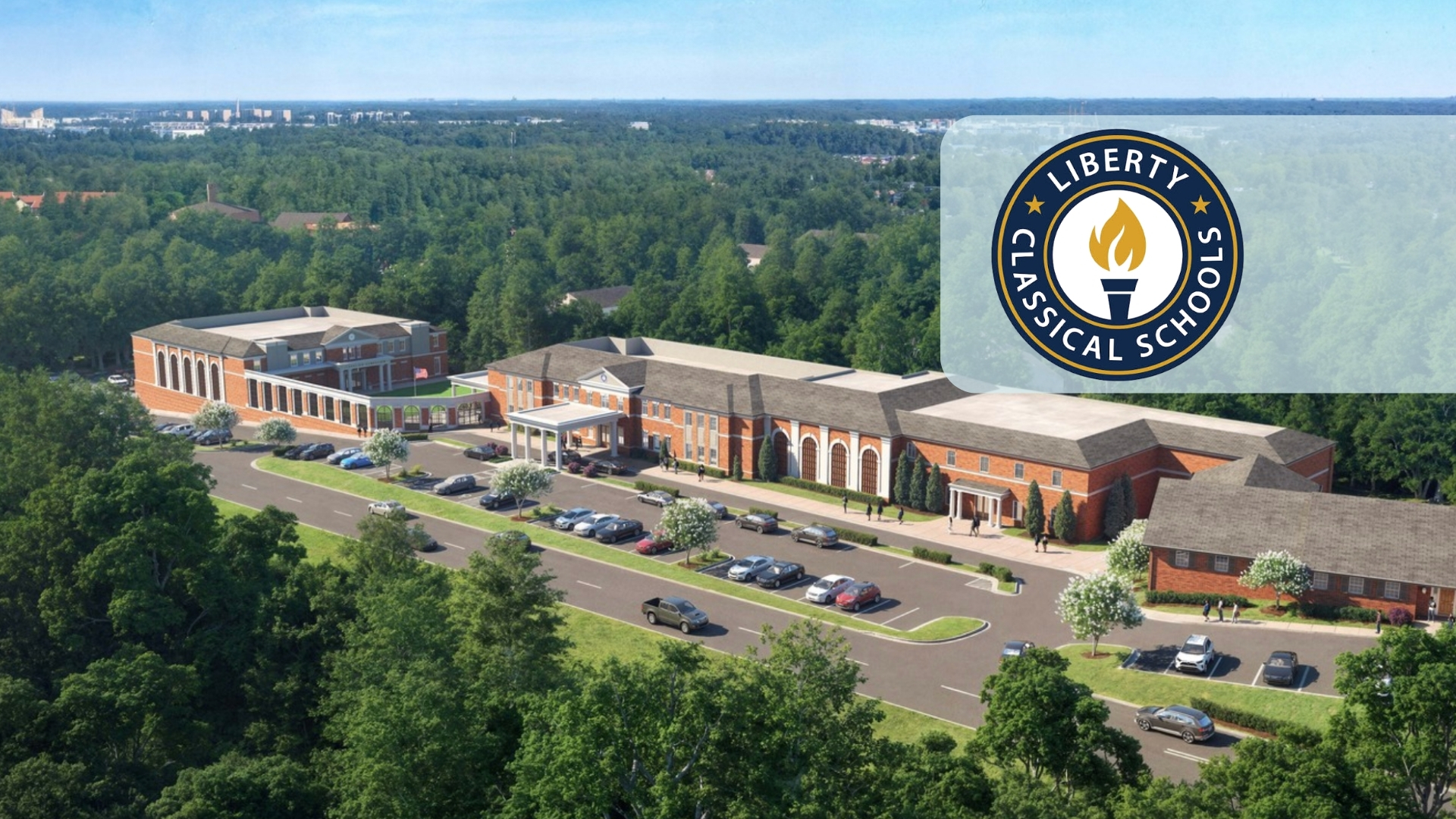
This is where familiar, well-practiced communication tools matter most. Kent Messini, Director of Operations at Liberty Classical Schools in Georgia, has seen this play out directly as Liberty has expanded into high school athletics across multiple campuses. His team uses Ruvna's Request for Assistance feature at games and after-school events to reach specific responders quickly, without unnecessary disruption to the rest of the event.
"If we have someone who is experiencing cardiac arrest symptoms, it is great to know we can alert exactly the right people," Kent explains. "Someone sends the RFA, everyone jumps into action and it just works."
The broader principle Kent's experience illustrates is one that applies regardless of the platform a school uses. When staff are familiar with their communication tools before an event starts, response is faster and more coordinated when something actually happens. Event safety planning builds most effectively when it connects directly to the tools and protocols already in place for the school day.
Integrating Events Into Your Safety Culture
The most useful takeaway from thinking carefully about event safety isn't a checklist. It's the recognition that events are already part of the school year, and the safety culture schools have built for the school day is a strong foundation to build from.
For school leaders, that means approaching each major event with a few deliberate questions.
- Where are the coverage gaps for this specific event, and who fills them?
- How will staff communicate if something requires a response?
- How do the tools already in place, for accountability, visitor management, and communication, extend to this context?
Those questions don't require starting from scratch. They require connecting what's already working to a different set of circumstances.
Schools that do this well tend to find that event safety planning becomes less of a separate exercise over time and more of a natural extension of the preparation already happening. For the students, families, and staff who show up to those events, that preparation is part of what makes the experience feel as well-supported as any other part of the school year.
To see how one school network is putting these principles into practice, read the Liberty Classical Schools case study and learn how they've extended their safety infrastructure across three campuses and beyond the school day.

Latest articles

What The First Six Weeks Of School Can Tell You That June Can't
The Drill That Teaches You the Most Isn't the One That Goes Perfectly