It's not one person checking students in. It's 50 people doing little things. Here's how Tower Hill School built a safety system that actually works that way.
For Joe Coughlin, Director of Campus Security at Tower Hill School in Wilmington, Delaware, the limitations of traditional safety and attendance processes weren't theoretical. Earlier in his career, he had seen firsthand what it looks like when emergency accountability relies on paper checklists and color-coded stickers. Teachers held up a green sticker if all students were present, and a red sticker if someone was missing. Administrators had no way to know who, exactly, was unaccounted for.
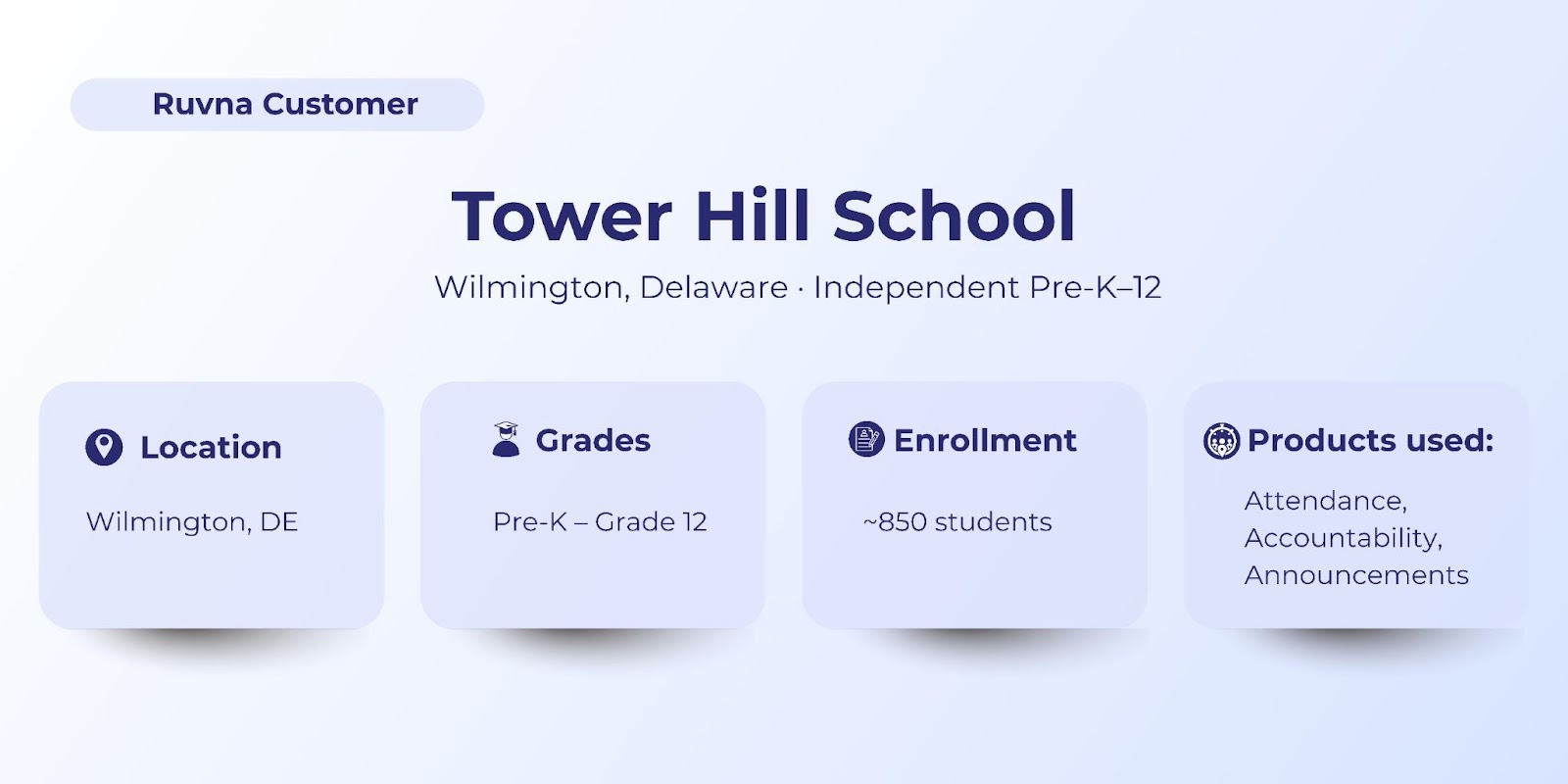
When Joe arrived at Tower Hill, a K-12 independent school serving approximately 850 students from preschool through Grade 12, he saw familiar inefficiencies waiting to be solved.
Today, Tower Hill has transformed both its daily operations and its emergency readiness using Ruvna's Attendance, Accountability, and Announcements features. The results speak for themselves.
Five Minutes Instead of Forty-Five
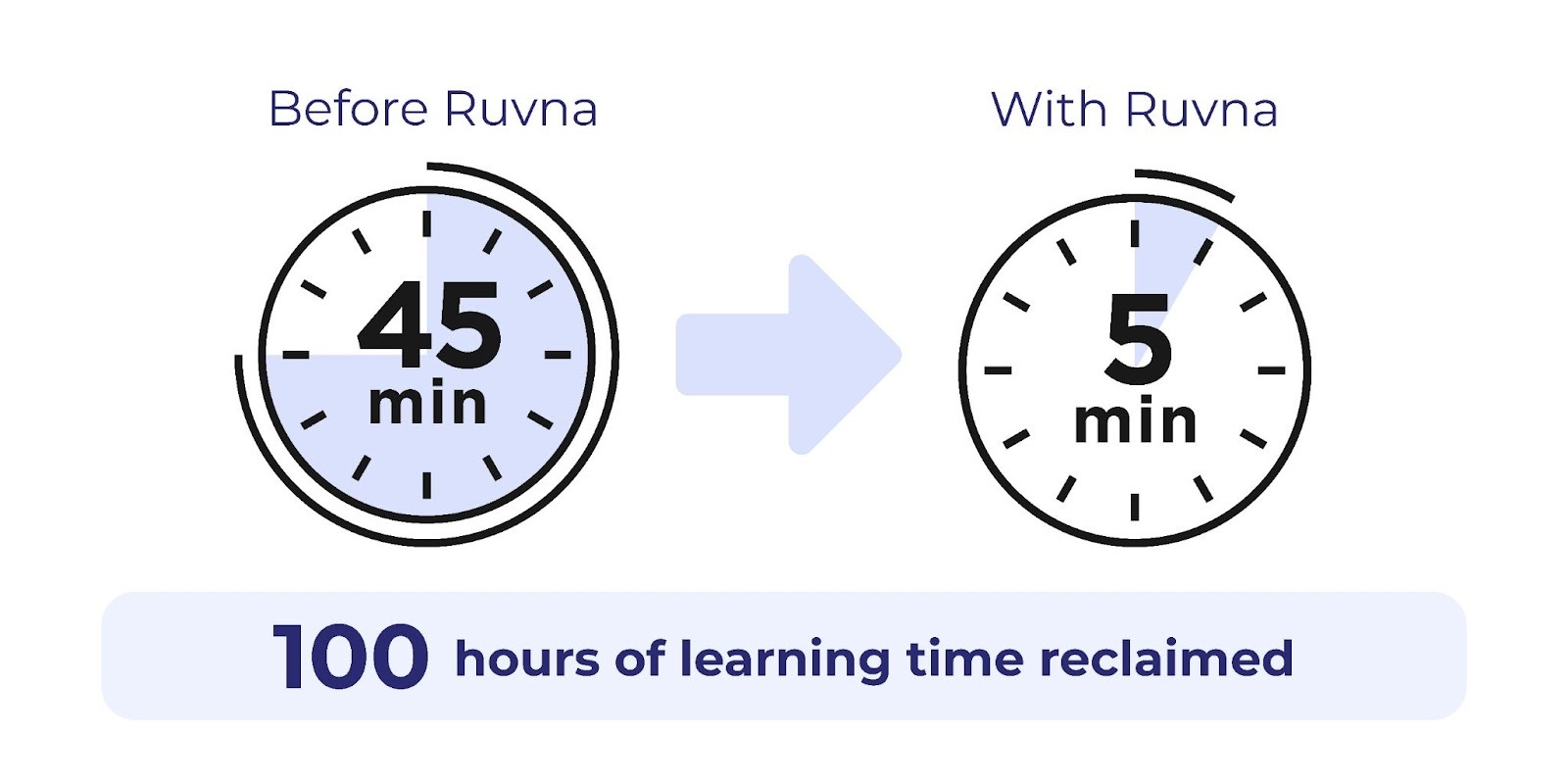
Before Ruvna, morning attendance at Tower Hill consumed up to 45 minutes each day—a window when no one knew with certainty where every student was. Now it wraps up within the first five minutes of students arriving. Across a full school year, that's roughly 100 hours of reclaimed learning time.
The shift works because different students check in differently. In the lower school, teachers display rosters on an iPad or whiteboard while students practice recognizing their own names, and attendance becomes a learning moment. Older students use ID cards, which have quietly solved the perennial problem of kids forgetting them. When the card is required for attendance, carrying it becomes a habit.
50 People Doing Little Things
"It doesn't have to be one person checking students in. It's 50 people doing little things, which gives you a much better picture of what's going on." — Joe Coughlin, Director of Campus Security, Tower Hill School
That's not a philosophy. It's how Tower Hill's last fire drill actually went: faculty accounted for over 300 students in 60 seconds.
During a drill or emergency, attendance data flows directly into Ruvna's Accountability feature, giving every staff member real-time visibility into who is present and who isn't.
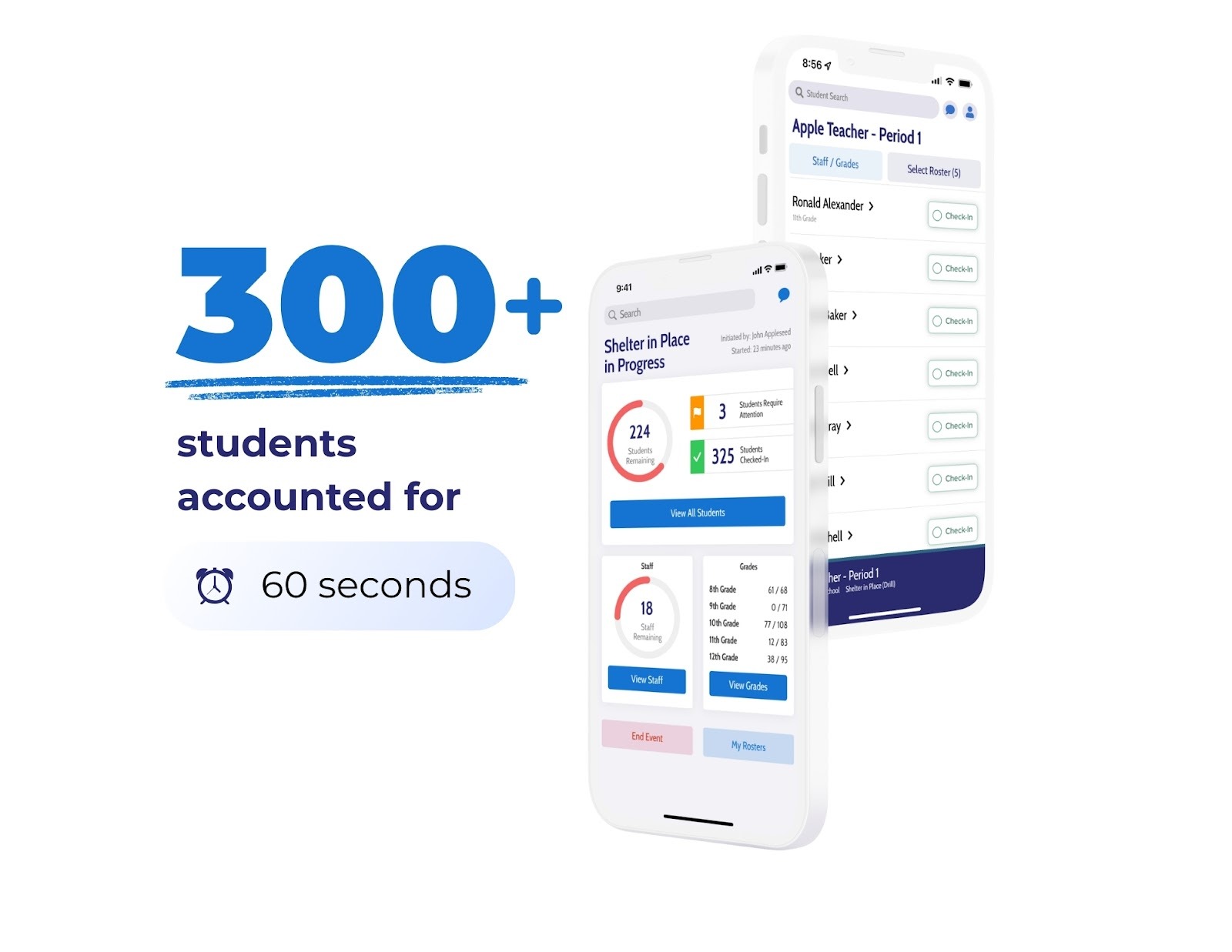
Even if a student isn't on a particular teacher's roster, staff can account for them on the spot from a mobile device. Everyone sees the same picture at the same moment.
One Platform Instead of a Thousand Tabs
When eighth graders head out on an end-of-year trip, Joe's team uses Ruvna to mark the entire group at once. Before that, managing a moment like that meant navigating multiple tools simultaneously — what Joe calls "a world of a thousand tabs and windows."
"Ruvna helps consolidate some of that madness into one place." — Joe Coughlin, Director of Campus Security, Tower Hill School
That consolidation matters for a reason beyond efficiency. When staff use the same platform every day for routine operations, they're not learning new tools under pressure when a drill or real emergency occurs. The system handling morning attendance is the same one they rely on when it counts.
Technology in Service of What Matters Most
Tower Hill is a school defined by its traditions and its community. For Joe, the value of Ruvna isn't measured in minutes saved or in improved drill times. It's measured in what those gains make possible.
"People actually want to be here. The kids want to come to school every day. Ruvna helps us cut down on the time spent doing certain things, so we can get back to doing what we enjoy." — Joe Coughlin, Director of Campus Security, Tower Hill School
The right platform doesn't add complexity to daily operations. It removes it — so everyone on campus can focus on the work that brought them there.
Latest articles

Ruvna on the Road, Coming to a Campus Near You

What The First Six Weeks Of School Can Tell You That June Can't