The last day of school comes and goes fast. Ceremonies, goodbyes, the relief of a year finished. And then — finally — quiet.
For most school administrators, summer means catching up on everything that got pushed aside from September to June. Facilities projects. Curriculum reviews. Staffing decisions.
Safety planning rarely makes the list. Not because it isn't important, but because during the school year there's never a real window to step back and look at how your systems actually performed. You're too busy using them.
Summer is that window. The schools that use it well come back in August with something the others don't: confidence.
Not confidence that nothing bad will happen. No one can promise that. Confidence that if something does, their people know what to do, their systems work together, and no one is fumbling through a crisis they didn't prepare for.
Here's what that preparation actually looks like.
Start with your rosters — before you do anything else
This sounds too simple to mention. It isn't.
Dr. Terry Williams, COO at Penn Hills Charter School, described his summer process during a Connected Schools conversation this past year:
"Even throughout the summertime, we are holding Google meetings to ensure that we're following the checklist — that we have a unified system where all stakeholders are on board when the school doors open and we're all safe."
His first priority every summer? Rosters. "This is a new year. I need to make sure all my students are on the rosters. I need to make sure the ones that have transitioned to do something else — they're no longer on there. That something so small is very important when the doors open."
It sounds basic because it is basic. It also happens to be the thing that breaks down in an emergency faster than almost anything else: an accountability system pulling from a roster that's three months out of date.
Before any other summer safety work, pull your student data. Confirm your SIS is synced. If someone left in April, make sure they're gone from your emergency roster in August.
Treat safety planning as a year-round process, not an August sprint
The schools that feel most prepared in September aren't the ones who had a productive last week of August. They're the ones who never really stopped.
Ross Kaelin, Principal of Operations at Salisbury Christian School, put it plainly: "For us, that process — you have to make it a year-round process. It's a weekly conversation and it's something that doesn't ever end."
And Dr. Williams echoed the same thing: "For us, it literally never stops. There's no such thing as getting ready for next year. I'm always getting ready."
That mindset shift, from "we prepare in August" to "we're always preparing," is what separates schools that respond well from schools that scramble. Summer isn't the starting line. It's just a quieter stretch of the same road.
What that looks like practically: a standing summer check-in cadence, even monthly, where someone is asking: What worked? What didn't? What needs to change before doors open?
Audit what actually happened this year
Summer is the only time you have the distance to look honestly at your drills, your systems, and your protocols.
Ask these questions before the team scatters:
On drills: Did we complete all required drills? Were they documented properly? Where did accountability break down, and who was still unaccounted for at the two-minute mark?
On systems: Did every staff member actually know how to use the platform during a drill, or did a few people carry the rest? If you had a real incident tomorrow, how many of your teachers would know what to open first?
On communication: When you sent an emergency message last year, real or drill, did it go to the right people? Did parents receive it, or did it land in spam? Did staff get it on the right device?
Matt Riddle, Director of Facilities and Capital Planning at Marlborough School, described the evolution at his school this way:
"We've been better about internally doing an annual — or every six months — just doing a brush-up on real life, sending out real life messages to each other." After a small earthquake in LA, she realized there hadn't been clear internal agreement about when and what to send. "Everybody sort of reacted, but nothing went out. Like, what's the threshold?"
That threshold conversation, when do we activate, what do we say, who sends it, is a summer conversation. Not a Tuesday-morning-of-an-incident conversation.
Use summer to introduce new systems the right way
If you're bringing on a new platform or adding a module, summer is the time to do it, and to do it slowly.
The schools that have the smoothest launches aren't the ones who finished setup on August 14th and trained staff during opening week. They're the ones who started months earlier, got the right people in the room from the beginning, and let staff ask the hard questions before the pressure was on.
Matt Riddle described their Ruvna rollout:
"We made our first call in February. The key to that was having everybody there from day one — myself, our registrar, our nurse, communications, our emergency preparedness team. Everybody was in that nucleus at the beginning. And then we rolled it out to faculty and staff at opening meeting trainings in August of that same year."
Six months of implementation, then a training at the opening meeting. Not the other way around.
The schools that struggle with adoption, the ones where staff resist, where the system gets bypassed during drills, are almost always the ones where the technology arrived without the people.
Dwayne Green, Chief Operations Officer at The Langley School, described the moment his staff got on board: "When they saw what we were doing before and what we could possibly do now, that was the moment where it was like, OK, I think this is gonna work."
The why has to come before the training. Summer is when you make that case to your team.
Bring the right people into the conversation
One of the most consistent patterns in schools that handle safety well: they've broken down the silos.
Safety used to be someone's job in one office. Now it's a shared responsibility across operations, technology, communications, facilities, and administration. When those teams don't talk to each other, you get gaps, and gaps show up at the worst possible times.
Dr. Williams described his school's shift: "We legitimately have a team of people that I work with — from safety and security, administrators, and believe it or not, our staff actually get on Zoom meetings with us to ensure that we are covering everything. Before school is over, we all look at that document and we update it."
Parents. Staff. Students. All in the process before August.
Michael Saraceno, Director of Operations at The Pingry School, described how his school approached implementation:
"We sat down with every stakeholder we could find — what do you need this thing to do? What does your current system do? What makes you want to stay with your current system? What makes you want to leave? And then we put all the cards on the table."
That conversation, the real one, not the polished demo version, is a summer conversation.
One thing to remember
The goal of summer safety work isn't to build a perfect system. It's to build a system your people actually use.
The best-designed emergency protocol in the world doesn't protect anyone if staff haven't touched the platform since March. The most detailed emergency operations plan doesn't help if it lives in a binder no one can find.
What makes schools feel confident in September isn't having done everything. It's knowing that the people responsible for safety are prepared, the tools they're using work together, and everyone in the building understands what to do, because they practiced, and because someone cared enough to make it part of the culture.
That work starts now.
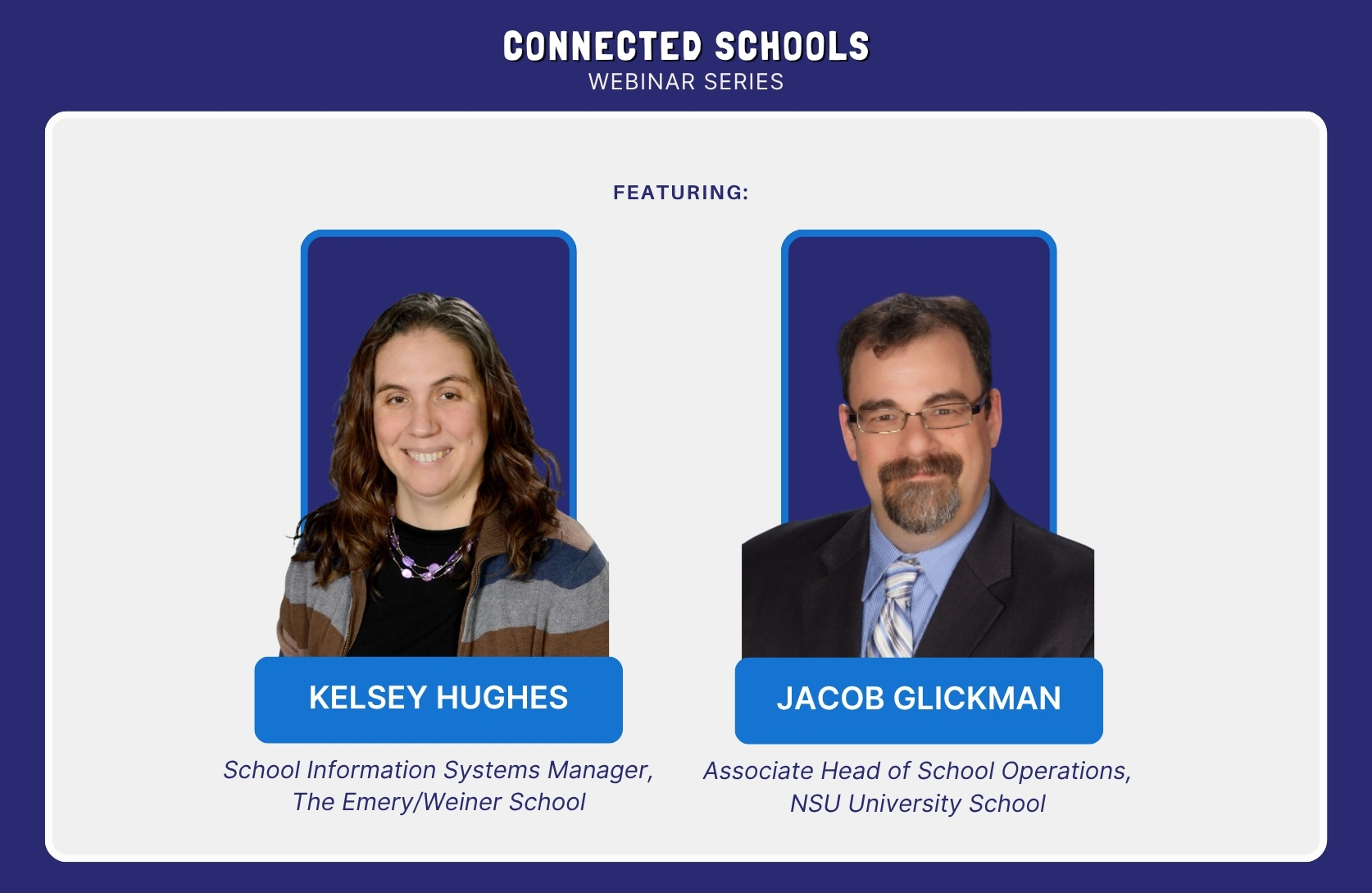
Curious how other independent schools approach summer safety planning? The Connected Schools Series is a peer conversation among independent school leaders, no sales pitches, just real talk. Catch up on past sessions here.
If your school is evaluating safety systems this summer, we'd love to show you how Ruvna works, and let you hear directly from schools like yours who made the switch. Schedule a conversation here.

Latest articles

Ruvna on the Road, Coming to a Campus Near You

What The First Six Weeks Of School Can Tell You That June Can't