The start of a new calendar year brings fresh energy to campus. Students return from winter break, staff reconnect, and leadership teams map out priorities for the months ahead. It's also the perfect moment to address safety improvements that might have slipped during the busy fall semester.
January offers something valuable that other months don't: a natural reset point when your community expects change. Staff are mentally prepared for new initiatives, students are adjusting back to routines anyway, and you're likely already thinking about first and second quarter goals.
The key is focusing on high-impact actions that strengthen your safety foundation without overwhelming already-busy teams. Here are five practical wins you can tackle now while momentum is on your side.
1. Audit Emergency Contact Information While It's Top of Mind
Winter break often brings changes families forget to report: new phone numbers from holiday upgrades, updated work locations, custody arrangement modifications, or temporary guardians who helped during the holidays. Right now, these updates are fresh in parents' minds, but that window closes quickly as everyone settles back into routine.
The challenge with emergency contacts isn't just collecting them once. It's keeping them current throughout the year. Outdated information creates real problems during actual emergencies when every second counts and you need to reach the right person immediately.
Consider running a quick verification campaign in your first few parent communications of the year. A simple "Confirm your emergency contacts for 2026" message takes parents less than two minutes but could make a critical difference later. Schools using integrated platforms like Ruvna can send these requests directly through their existing systems, making it easy for parents to review and update information in one place.
The effort you invest now in accurate contact information pays dividends all year long, not just during emergencies, but for routine communications, attendance follow-ups, and dismissal coordination.
2. Review Visitor Management Protocols Before Spring Visit Season
If your school is like most independent schools, spring brings a surge in campus visitors: prospective families scheduling tours, board members preparing for meetings, parent volunteers coordinating events, and vendors managing maintenance projects. And as the school year progresses toward May and June, end-of-year programs and graduation ceremonies will bring even larger crowds of extended family and community members to campus. January is your opportunity to ensure visitor management protocols are ready for this increased traffic.
Start with the basics: Are background check processes current? Do front desk staff feel confident with check-in procedures? Are visitor badges clearly visible and easily distinguished from student or staff identification?
But don't stop at the front door. Consider the full visitor experience from arrival to departure. How do you track where visitors are on campus? What happens if you need to account for everyone during an emergency drill? Features like Ruvna's Trusted Visitor option can streamline the experience for regular visitors like parent volunteers or frequent vendors while maintaining security protocols, making check-in faster without compromising safety.
During the 2022 evacuation at one of the Jewish Federation schools, Ruvna's integrated platform enabled staff to account for over 300 people (students, staff, and visitors) in under three minutes. That kind of complete accountability only works when your visitor management connects to your broader safety platform rather than operating as a standalone system.
Take time this month to walk through your visitor management process from start to finish. Identify friction points, update procedures, and make sure everyone who interacts with visitors understands the protocols.
3. Update Staff Accountability Procedures Post-Break
Staff changes happen over winter break: new hires starting in January, departures you've known about for weeks, role changes that shift building assignments. These transitions create gaps in your accountability systems if you're not intentional about updating them.
Now is the moment to verify that everyone who needs access to emergency systems actually has it. New staff members should be added to communication platforms, trained on evacuation procedures, and integrated into accountability protocols before the first drill of the semester.
This is also an excellent time to review accountability procedures with returning staff. After two weeks away, procedures that felt automatic in December might need a quick refresh. A brief staff meeting reviewing evacuation routes, assembly points, and accountability processes helps everyone shake off the holiday rust.
Schools using Ruvna's accountability features can quickly update staff rosters, adjust building assignments, and ensure everyone has the access they need through a single platform. When your accountability system is integrated with your daily operations rather than existing as a separate emergency-only tool, these January updates become straightforward administrative tasks rather than complex coordination challenges.
4. Refresh Communication Channels and Test Announcement Systems
Communication systems are like smoke detectors: you need to know they work before you actually need them. January offers a low-pressure opportunity to verify that every communication channel functions exactly as intended.
Start by testing your emergency announcement capabilities. Can you reach all stakeholders quickly? Do messages deliver to the right people? Are staff members receiving notifications on the devices they actually carry?
The most effective communication systems provide multiple ways for messages to reach their intended recipients. As Molly Rumsey, Director of Information Services at Harpeth Hall School, explains about their integrated approach:
"That's the other thing I like about it, because I push the button, they get all those different alerts. And it's rare that everything works seamlessly every time. But as I say to the teachers, that's why we have so many redundancies in place. You may be in a spot on campus where you can't quite hear the PA announcement, but you know you're going to get the alert on your phone and you know you're going to get the email."
The schools that respond most effectively during actual emergencies are those who use their communication systems daily for routine operations. When staff send regular announcements, dismissal updates, and schedule changes through the same platform they'd use for lockdown notifications, the system becomes second nature.
Take time this month to send a test announcement, verify that messages reach everyone who should receive them, and confirm that your backup communication methods work if primary channels fail.
5. Conduct a Quick Safety Drill to Shake Off the Rust
There's real value in running a safety drill early in the new year, not because something terrible is about to happen, but because everyone benefits from practicing procedures after time away.
January drills serve multiple purposes: they help staff and students remember protocols, they reveal any gaps that developed over break, and they demonstrate that safety remains a priority even during busy seasons. The most effective schools treat drills as learning opportunities rather than compliance exercises. They run them when pressure is low, debrief thoughtfully afterward, and use insights to improve procedures.
If you haven't run a drill since before winter break, put one on the calendar for later this month. Choose a scenario that exercises key procedures (evacuation, lockdown, or shelter-in-place) and approach it as a team practice session. Afterward, gather feedback from staff about what worked well and what could improve.
Pay particular attention to accountability procedures during your drill. Could you identify who was accounted for and who wasn't? Did information flow smoothly to decision-makers?
Making Progress Without Overwhelm
The beauty of these five quick wins is that none of them requires massive time investment or complete system overhauls. They're focused improvements that build on infrastructure you already have while strengthening the foundation everything else depends on.
You don't need to tackle all five simultaneously. Choose the one or two that feel most pressing for your school right now, make meaningful progress, then move to the next priority. The goal is sustainable improvement, not heroic effort that burns out your team.
What makes these actions particularly valuable is how they compound over time. Accurate emergency contacts improve every future communication. Updated visitor protocols serve you all spring and beyond. Refreshed accountability procedures work throughout the year.
Emergency preparedness isn't about achieving perfection. It's about making consistent progress toward systems you can trust. Every contact you verify, every protocol you review, every drill you run thoughtfully contributes to creating an environment where people genuinely feel secure and supported.
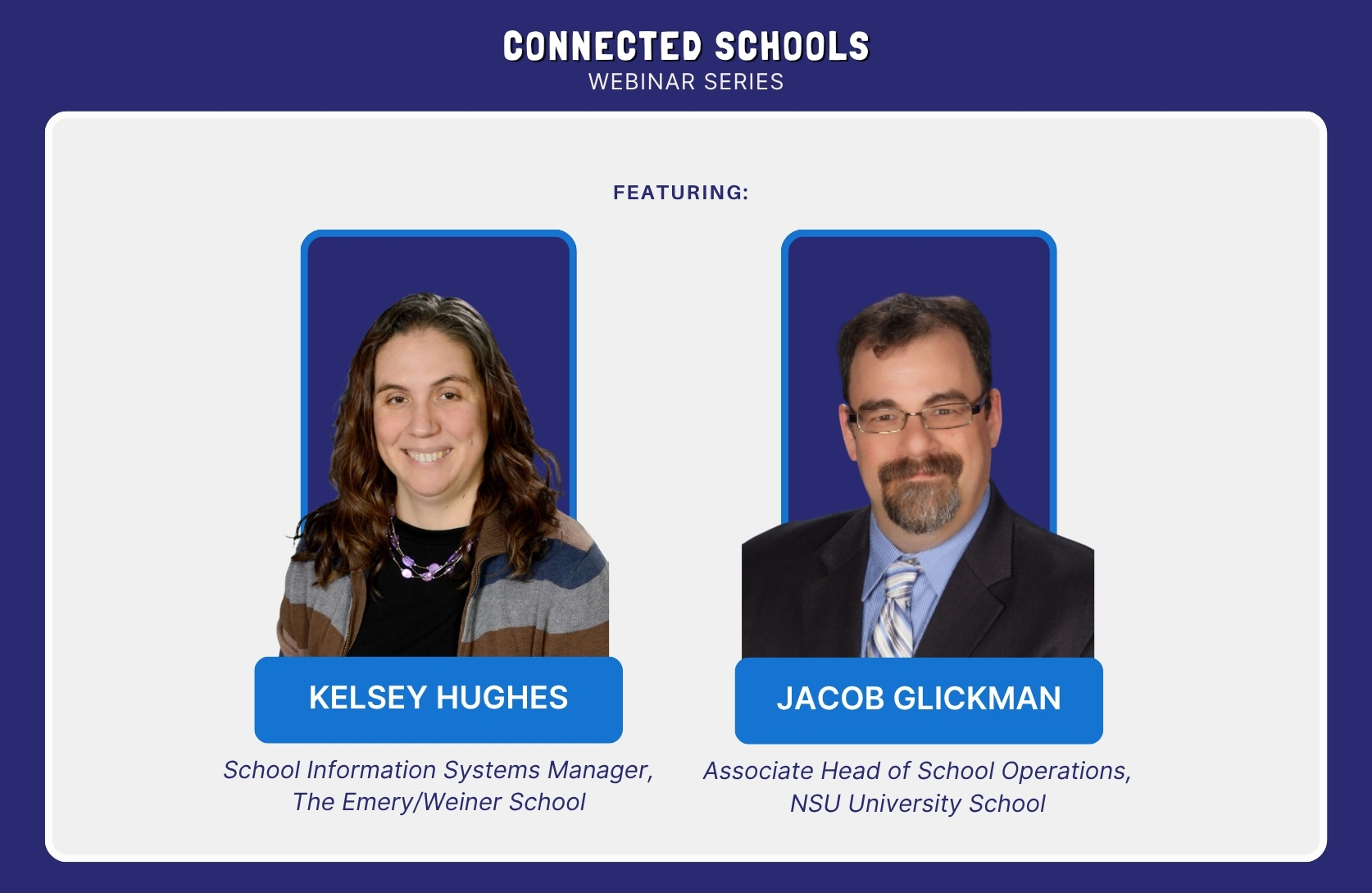
Want to learn how strategic January planning creates smoother operations all year long? Join our upcoming webinar, "Streamlining School Operations: Why January Planning Sets You Up for August Success," where school leaders share how early-year decisions translate into confident, coordinated responses when it matters most. Register today to connect with peers who are tackling the same challenges and discover actionable strategies for turning quick wins into lasting systems.

Latest articles

Ruvna on the Road, Coming to a Campus Near You

What The First Six Weeks Of School Can Tell You That June Can't