


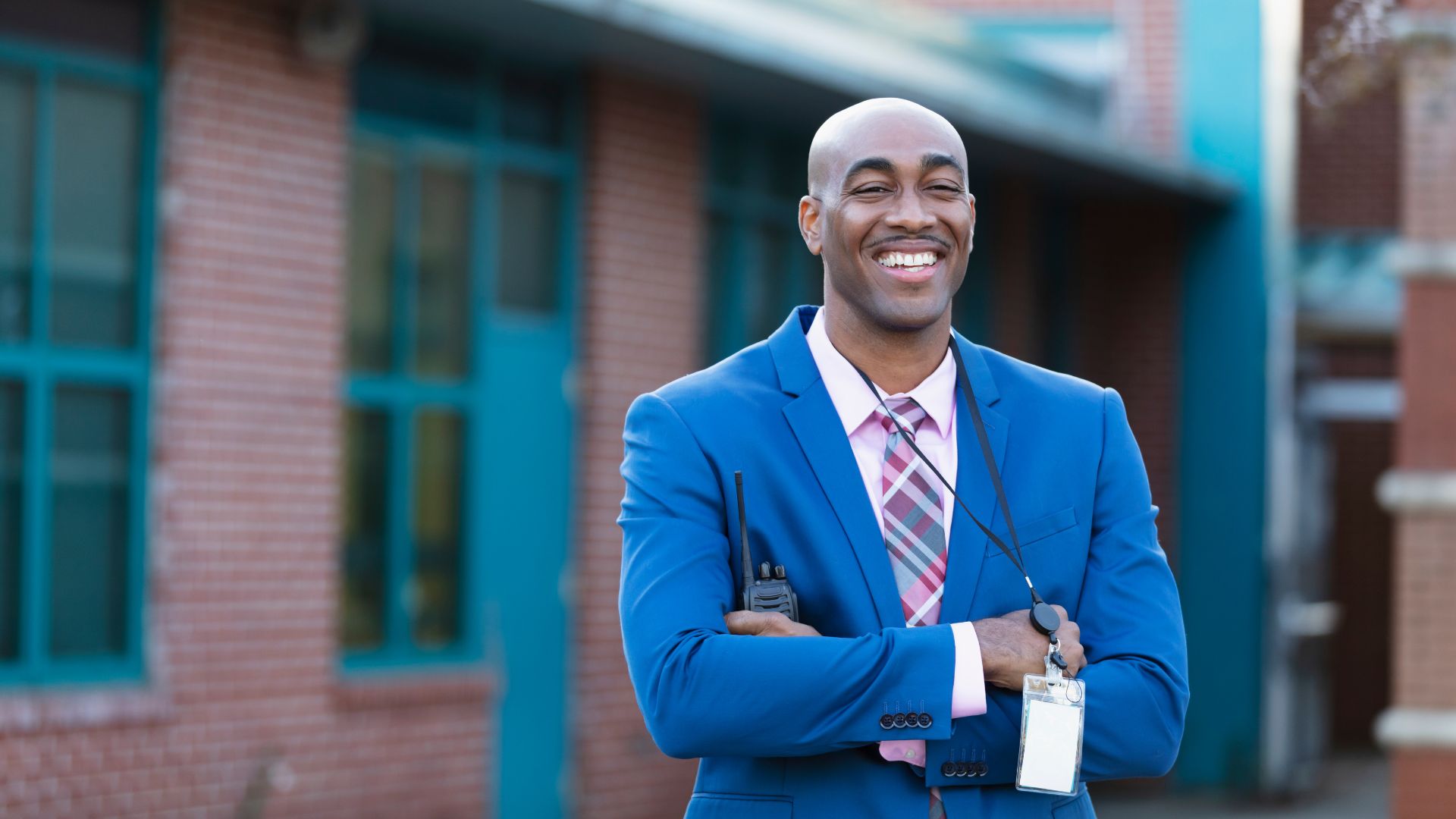
Every independent school has someone like this.
The operations director who knows, without looking anything up, that the contractor who services your HVAC always needs a visitor badge but never needs an escort. The front office lead who has quietly memorized which students have modified dismissal plans and which families need a phone call before anyone gets picked up. The administrator who built your emergency accountability process from scratch three years ago and has run it so many times they can do it in their sleep.
These people are assets. They're also, in a very real sense, a vulnerability.
Not because they're doing anything wrong. Because safety knowledge that lives primarily in a person, rather than in the systems that person uses, doesn't transfer when that person leaves. And when they do leave, the gap they leave behind isn't always obvious.
The Turnover Problem Is Quieter Than It Looks
Staff transitions are a normal part of running a school. People retire, accept new roles, relocate. You knew it was coming, you hired a replacement, and you did your best to hand things off.
But safety handoffs are harder than they look. A departing operations director can document a process, but they can't document institutional instinct: the judgment calls that never made it into any manual. The new hire can read the emergency operations binder cover to cover and still not know that your visitor management workflow has a workaround for one specific edge case that happens every other Thursday.
That gap doesn't always announce itself. It shows up quietly, in a drill that goes slower than usual. In a front desk staff member who wasn't sure what to do when a visitor's ID wouldn't scan. In a moment during an actual incident, someone paused when they should have moved.
The question isn't whether your school will experience staff turnover. It's whether your safety systems are built to stay consistent through it.
What "Built Into The System" Actually Means
There's a meaningful difference between a school with safety processes and one with safety infrastructure.
A process lives in someone's head, a shared document, or a binder. It works when the right person is in the room. Infrastructure lives in the platform, in configured workflows, in access levels, in records that carry forward regardless of who's sitting at the desk.
Here's what that looks like across the areas that matter most:
Visitor management. A well-configured visitor management system holds the institutional knowledge that used to live with your front desk lead. With Ruvna's Visitor Verification add-on, background checks run automatically against databases from all 50 states, so every visitor is screened without slowing down your front office. Frequent visitors like parents and volunteers can be set up as Trusted Visitors, giving them a personalized digital pass for frictionless future check-ins. And if a visitor has been flagged or prohibited, that record stays in the system regardless of who is staffing the front desk that day. That context carries forward automatically, so a new front desk staff member isn't making judgment calls from scratch on a busy Monday morning. They're starting from a record that already knows who belongs on campus.
Attendance and accountability. Strong safety infrastructure keeps rosters accurate as a function of the system, not as a function of whoever happens to own the process. Attendance automatically syncs with Accountability, so your emergency rosters reflect real-time attendance data throughout the day. For schools without Attendance, a daily attendance sync add-on keeps your SIS data connected to Ruvna so your emergency accountability rosters stay current. The new person stepping into that role inherits an accurate, current record on day one.
Dismissal. Good dismissal infrastructure means that non-standard arrangements, updated family authorizations, and student-specific plans are documented in the platform, not carried in someone's memory. Ruvna Dismissal stores each student's default weekly plan, multi-step dismissal plans, and any temporary changes in one place, so the new person running dismissal inherits a complete, current picture of how every student gets home. They learn the process and have everything they need to run it correctly, without relying on institutional knowledge that may not have made it into the handoff.
The Test to Run Before August
Here's an honest question worth asking your team before school starts: if the person most responsible for each of your safety processes left this week, how long would it take for their replacement to run those processes confidently?
If the answer is "a while" — or if your team isn't sure — that's useful information. It tells you where your processes live in people rather than in infrastructure.
The fix isn't to document everything (though documentation helps). It's to configure your systems so that the critical knowledge is embedded in the platform itself. Who's authorized to be on campus. Which students have modified plans. What your accountability process looks like when it runs, not when someone explains it.
When that knowledge lives in Ruvna, a new staff member logging in for the first time isn't starting from scratch. They're working from the same record every staff member before them has worked from, updated, accurate, and not dependent on anyone's memory to stay that way.
Eli Forsyth, Director of Technology at Saint Anne's School, put it well: "When we have a division assistant who's out sick or on leave for some reason, it's really easy to plug someone else in there and teach them how to use the system."
What Good Handoffs Look Like
The independent schools that navigate staff transitions most smoothly tend to share a few common traits. Their outgoing staff document not just what the process is, but where it lives in the system. Their incoming staff gets access and training before day one, not during opening week. And their administrators know that a good handoff isn't just a conversation. It's a configured platform with an accurate record.
That's the standard worth building toward. Not perfection, and not a guarantee that transitions will be seamless. But a school where safety infrastructure persists regardless of who's sitting in any given chair when September arrives.
If your school is using summer to evaluate whether your safety systems are built to last, our summer planning guide is a good place to start. And when you're ready to see how Ruvna works in practice, we'd be glad to show you and connect you with schools like yours who've made the transition. Schedule a conversation here.

Latest articles
Built to Scale, Managing Campus Safety Across a Growing School Network

The Independent School Guide to the Standard Response Protocol and Standard Reunification Method
.jpg)